To make a TV commercial for a small business, decide on one message, write a short script around your best product, film it properly in one planned shoot, and edit it to the exact length the screen needs, usually 15 or 30 seconds. End with your name, your location and one clear thing for the viewer to do. You do not need a big studio; you need a sharp idea, good light and careful editing.
Here is how we approach it for shops and restaurants in New York, from the first idea to the finished file.
Where a small business commercial actually plays
"TV" means more places than it used to. Before you write a word, decide where the ad will run, because that changes its length, its shape and how loud the message needs to be.
- Streaming TV: ads that run on smart TVs through streaming apps, which can often be aimed at viewers in particular zip codes or boroughs.
- Local cable and broadcast: the traditional spots in a station's ad breaks, bought through the station or a media buyer.
- Screens in your own store: a commercial on a TV by the counter or in the window sells to people who are already standing there.
- Online: the same ad, cut shorter and vertical, works on YouTube, Instagram and Facebook.
Most small businesses get the most from one shoot used across several of these. Plan for that from the start and you will not have to film twice.
Step by step: from idea to finished commercial
- 01
Pick one message
A commercial has time for one idea. "Fresh off the grill on Flatbush" is a message. A list of your whole menu is not. Ask yourself what one thing you want a stranger to remember.
- 02
Write a short script
Write what the viewer sees and hears, second by second. Read it aloud with a timer. If it runs long, cut words, not speed.
- 03
Plan a shot list
List every shot you need: the hero product, close-ups, the team at work, the storefront, the final logo. A list keeps the shoot calm and makes sure nothing is missed.
- 04
Film in one planned session
Shoot before opening or in a quiet window, with proper lighting and a clean set. Film more angles than you think you need; the edit will use them.
- 05
Edit tight
Cut on movement, keep every shot short and let the strongest one carry the opening. Add clean on-screen text and a voiceover or captions so it works with the sound off.
- 06
Export for each screen
Make a wide version for TV and in-store screens, plus shorter vertical cuts for phones. Check the technical rules for the station or platform before you deliver.
What to show in the first few seconds
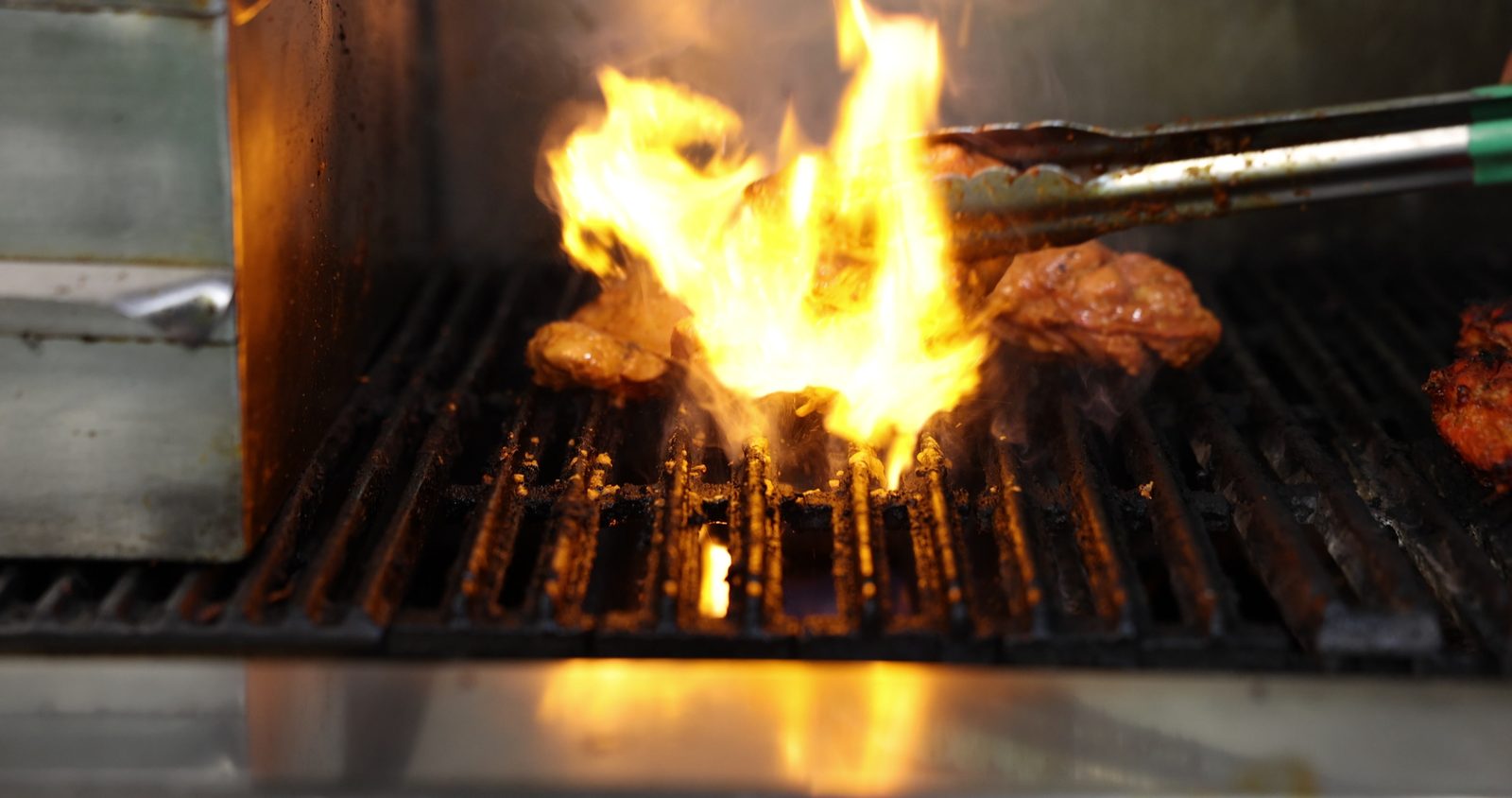
People decide fast whether to keep watching. Open with the thing that makes your business worth visiting, not your logo and not your address. For a restaurant, that is the food at its best moment: meat hitting the grill, a tray being plated, steam coming off a fresh dish. For a shop, it is the product in someone's hands.
Lead with what people want, end with where to get it. Everything in between should earn its seconds.
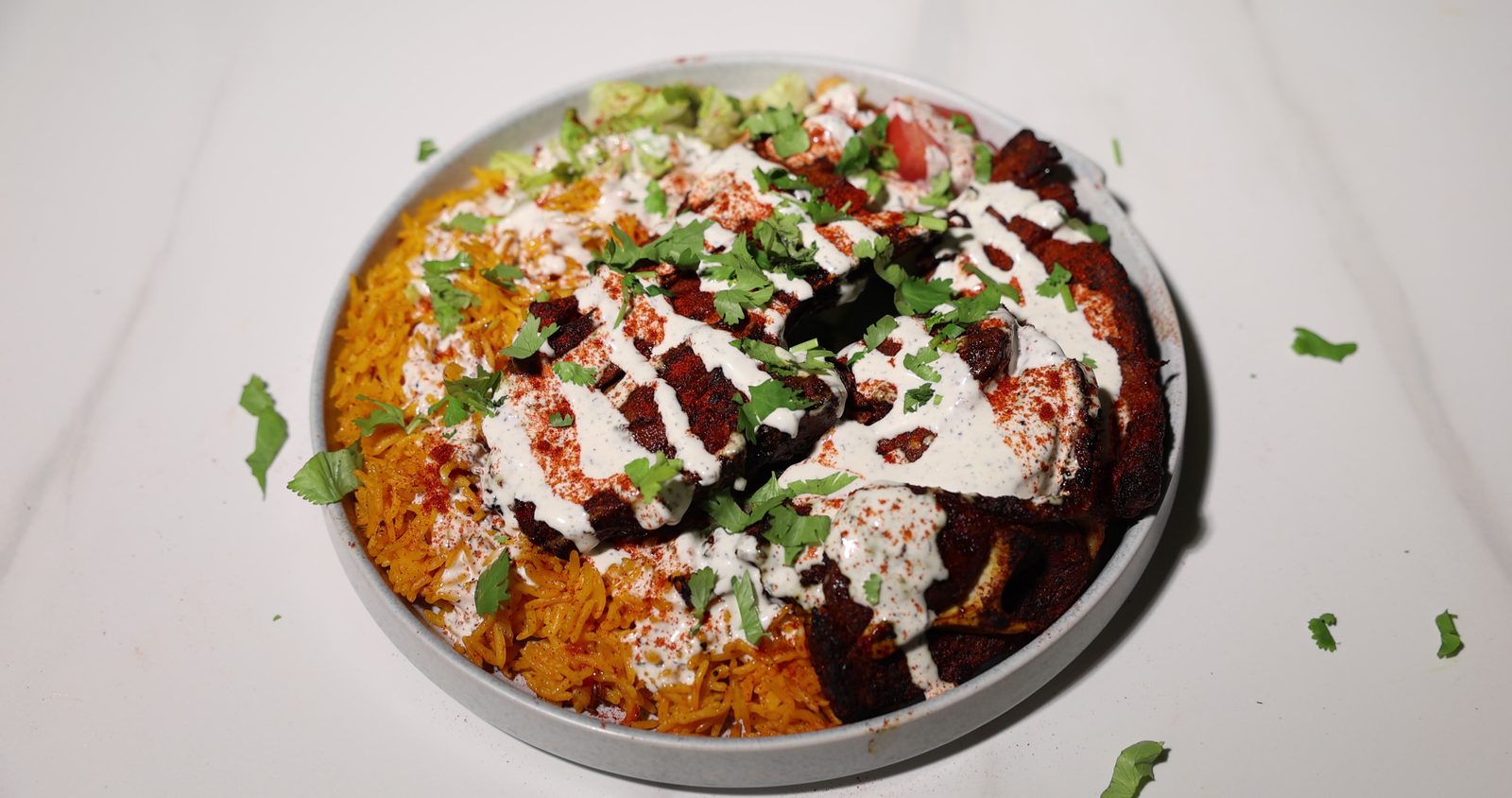
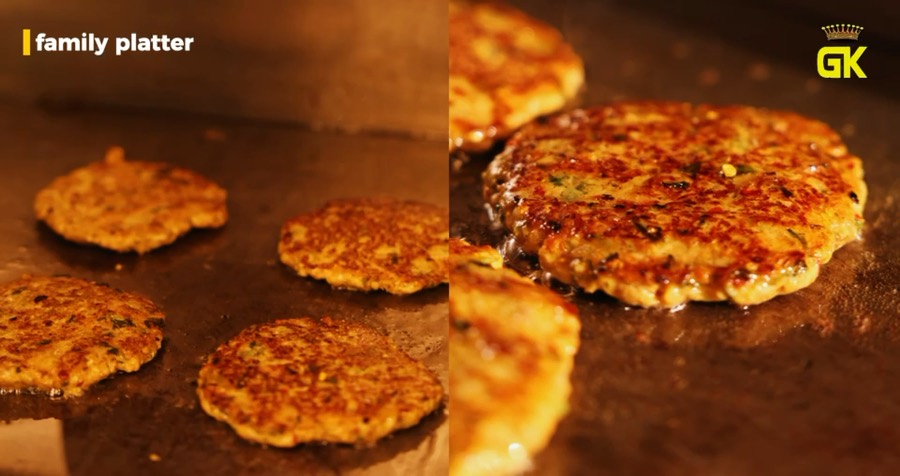
When we made the TV commercial for Gyro King on Flatbush Avenue, we built it around close-up shots of the food on the grill and on the plate, with the dish names on screen and the Gyro King crown logo in the corner the whole way through. The same shoot also fed their menu films and the content on their TV menu boards, so one day of filming did several jobs.
The ending: make it easy to act
The last few seconds are where the commercial turns into customers. Keep the ending simple and hold it on screen long enough to read.
- Your name and logo, large and clear.
- Your neighborhood or address, so locals know you are close.
- One action: visit, order online, call or book. Not all four.
- Your website or handle, written exactly as people should type it.
- If you mention an offer, make it specific and make sure the store knows about it before the ad runs.
Mistakes that waste a commercial
- Trying to say everything. Too many messages means none of them stick.
- Filming on a phone in a dark room. Viewers forgive a simple idea, not a dim, shaky picture on a big screen.
- Starting with the logo. Nobody leans in for a logo they do not know yet.
- Relying on sound. Many screens play muted, so the story should make sense from pictures and on-screen words alone.
- Showing people without permission. Get written consent from staff and customers who appear on camera.
- Making one version only. A single wide file leaves social media and in-store screens with nothing.
Do it yourself or hire a team?
If the ad will only run on your own social pages, a careful phone video can be a fine start. Once it is going on a television, the bar is higher: the picture is bigger, the sound is louder and you are sitting next to ads from national brands. That is where planning, lighting and editing show.
A good production partner handles the script, the shot list, the shoot, the edit and every export, and can cut reels and stills from the same day. See how we approach brand video in New York, and if you are weighing a commercial against regular social content, our guide to brand film versus reels walks through which to do first. Cost depends on the size of the shoot, so check our pricing page or tell us what you have in mind and we will scope it with you.