To respond to a negative Google review, reply within a day or two, thank the person for the feedback, say sorry for the part that went wrong, explain in one line what you are doing about it, and invite them to continue by phone or email. Keep it short, calm and specific to what they wrote. Remember that the reply is read mostly by future customers deciding whether to trust you, not by the reviewer.
Every business that stays open long enough gets a bad review. Here is how we handle them for the New York restaurants and shops we work with, and how to turn one into a point in your favor.
First, do nothing for an hour
A bad review feels personal, especially when you were there and remember the evening differently. Do not reply while you are upset. Read it, close the app, and come back when you can read it the way a stranger would.
Then check the facts. Look up the order, ask the staff who were on shift, and read the review again. Sometimes the customer is right, sometimes they are wrong about the details, and often it is a mix. Your reply will be better once you know which.
The five parts of a good reply
- 01
Thank them by name
Use their first name if Google shows it. Thank them for taking the time, and mean it. Feedback that stings is still feedback you would not otherwise hear.
- 02
Say sorry for the real thing
Apologize for the specific experience they describe: the long wait, the cold food, the staff member who was short with them. A general "sorry you feel that way" reads as no apology at all.
- 03
Say what you are doing about it
One sentence. You spoke with the team, you changed how bags are checked before they go out, you added a person on the grill for the dinner rush. Do not promise anything you will not do.
- 04
Take it offline
Give a name and a phone number or email, and ask them to reach out so you can make it right. Future readers see that you follow up; the details stay private.
- 05
Keep it short
Four or five sentences is plenty. A long reply looks defensive, however polite the words are.
Write the reply for the many people who will read it later, not for the one person who wrote the review.
What not to do
- Do not argue the details in public, even when you are right. Nobody wins a comment thread with a customer.
- Do not blame the customer, the weather, a new employee or the delivery app. Owners who take responsibility read as trustworthy; owners who deflect do not.
- Do not paste the same reply under every review. People notice, and it tells them you are not really listening.
- Do not offer a refund, a free meal or a discount in the public reply. It invites copycats. Make it right privately.
- Do not share private details about the customer, their order or their visit, even to correct them.
- Do not ask friends or family to post reviews to bury the bad one. Google can remove them, and a sudden run of glowing reviews looks worse than one honest complaint.
When the review is unfair or fake
Some reviews are not from customers at all: a competitor, someone who confused you with another business, or a review that describes a place you do not run. Google lets you report a review that breaks its rules, such as spam, a conflict of interest, or content that has nothing to do with your business. Report it from your Business Profile, explain briefly why, and be patient. Removals take time and are never promised.
While you wait, still reply, politely. Something like: "We have no record of this visit and think it may be meant for another business. If we are wrong, please call us so we can look into it." That tells future readers you checked, without a fight. If you are tidying up the rest of your listing too, our guide on how to show up on Google Maps in New York covers the profile itself.
Replies you can adapt
Change the details to fit what actually happened, and never send the same words to two different customers.
- Slow service: "Thank you for letting us know, [first name]. I am sorry your order took so long on Friday night. We have added a second person on the grill for the dinner rush. Please call me at the store next time you are nearby and I will make sure you are looked after."
- Wrong order: "I am sorry we got your order wrong, [first name], and that you only found out at home. We have changed how we check bags before they go out. Please email me and I will take care of your next order personally."
- Rude staff member: "Thank you for telling us, and I am sorry you were spoken to that way. That is not how we want anyone treated here. I have talked with the team about it and would welcome the chance to speak with you directly; my number is on our website."
- Unfair or mistaken: "Thank you for the note. We cannot find a visit matching this and wonder if it was meant for another restaurant. Either way, please get in touch and we will look into it properly."
Make the bad review the exception
A single negative review on a page full of recent, honest ones does little harm. The same review on a page with no replies and nothing new in months looks like the whole story. So the best defense is a steady flow of real reviews from happy customers, asked for at the right moment, and a reply under every one of them.
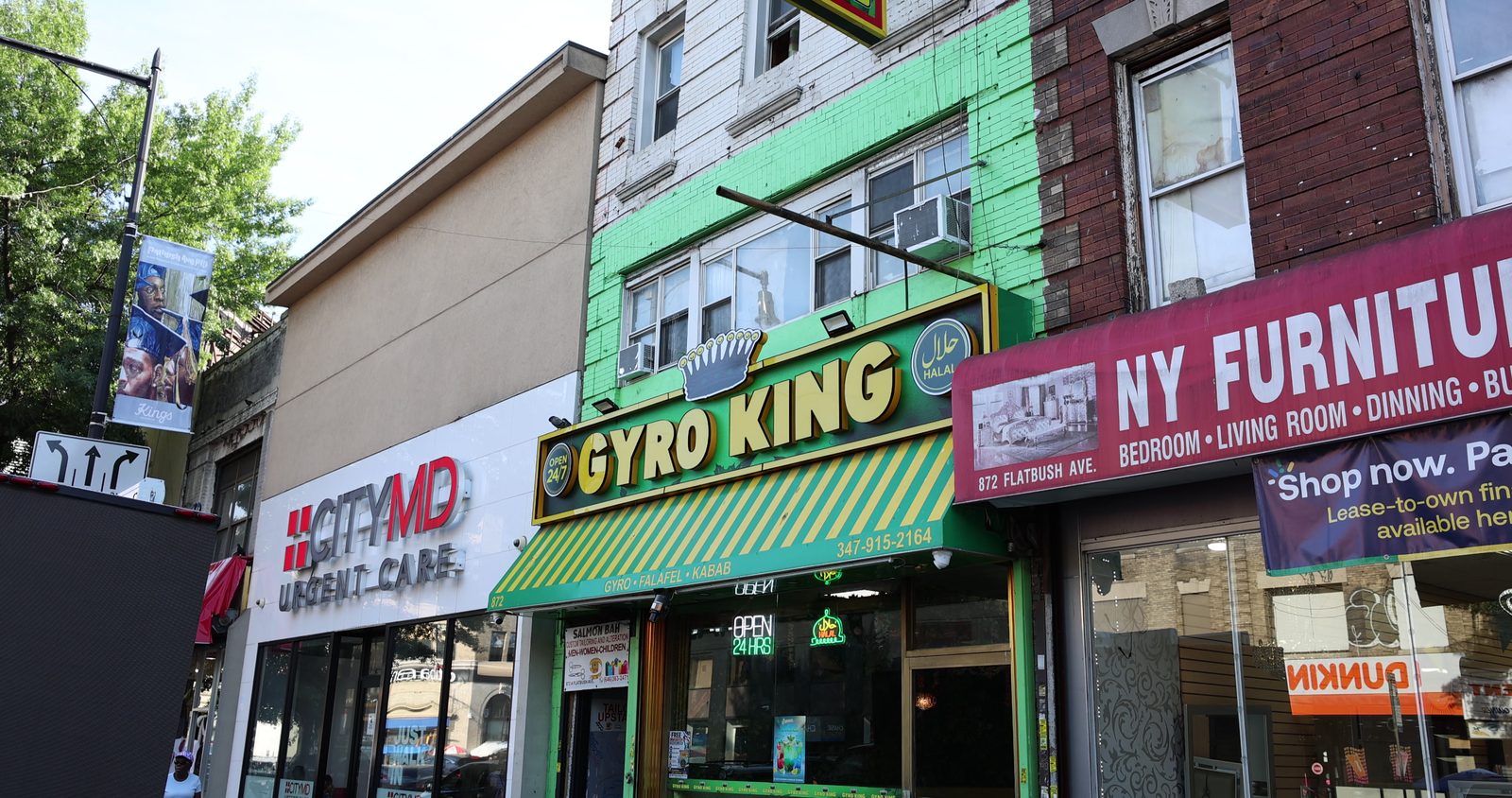
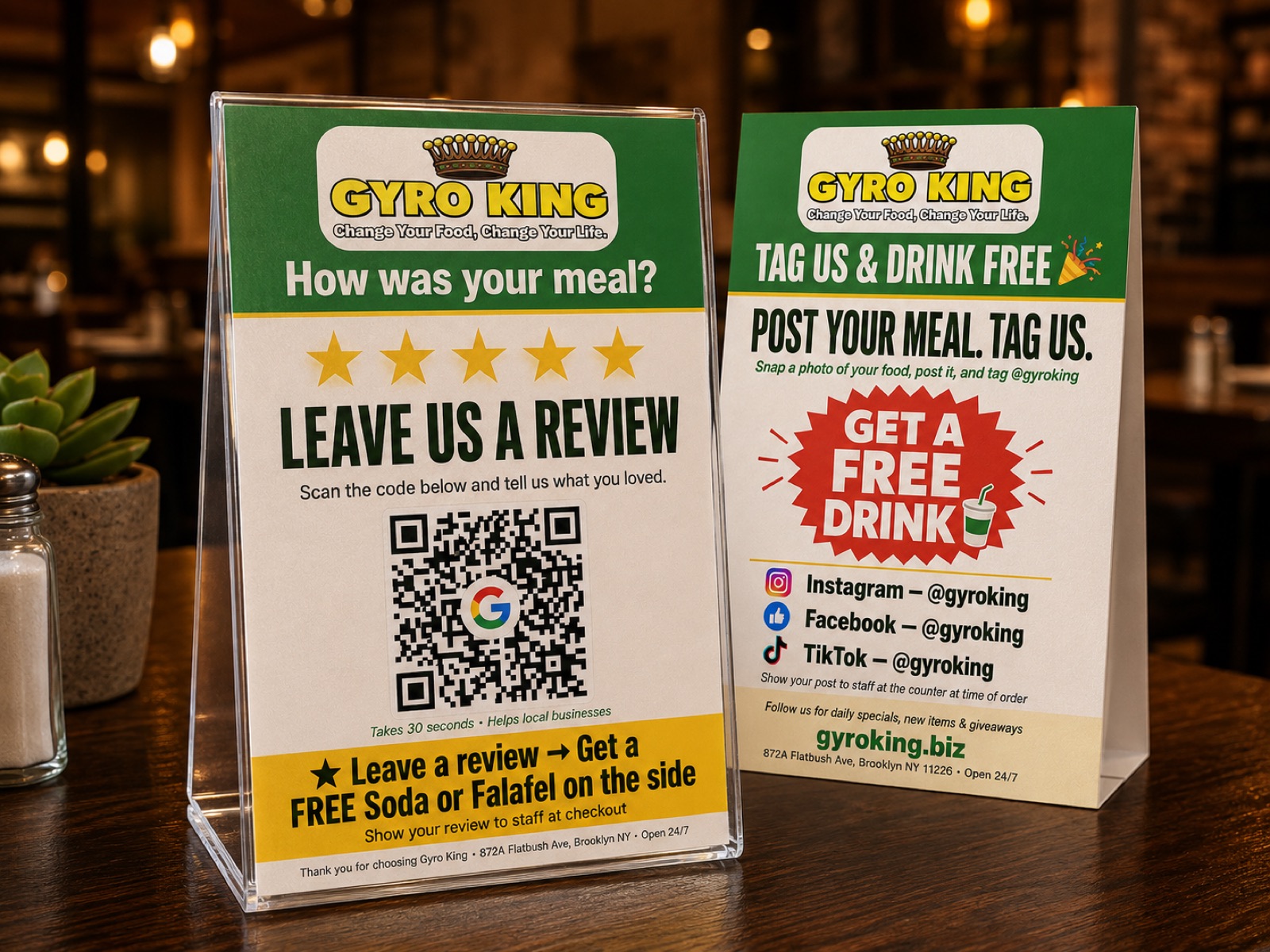
For Gyro King in Brooklyn, we designed and printed review stands and table tents with a QR code that opens the Google review form, so a happy diner can leave a review before they stand up from the table. Pair that with replies to every review, good and bad, and your profile shows a business that listens. Our post on how to get more Google reviews walks through the asking side.
Then keep it going. Check your reviews a couple of times a week, reply to each one within a day or two, and treat every complaint as a free report on what the next customer will notice before you do.